R. A. 9003
(Ecological Solid Waste Management Act of 2000)
The Republic Act 9003 which is also known as the Ecological Solid Waste Management Act of 2000, provides for an ecological solid waste management program and facilities including prohibitions, penalties and appropriating funds for the purpose of this Act.
The solid waste management adopted shall promote environmentally-sound methods to encourage resource conservation and recovery. It also seeks to encourage composting, recycling, re-using, proper segregation, collection, treatment and disposal of solid waste in solid waste facilities. All of these should ensure public health and environment.
To date, compliance with and enforcement of R.A.
9003 has been ineffective due to lack of political will to execute the law,
lack of incentive to prevent and reduce waste and lack of awareness and
education on the need to use and waste less.
Kinds of Waste
- Solid Waste –
refers to discarded household, non-hazardous institutional and industrial,
agricultural and other non toxic solid waste.
Ex: plastics, Styrofoam, cans
- Liquid waste – waste in liquid forms such as domestic
washings, waste water from ponds, manufacturing industries.
Effects of Improper
Solid Waste Management
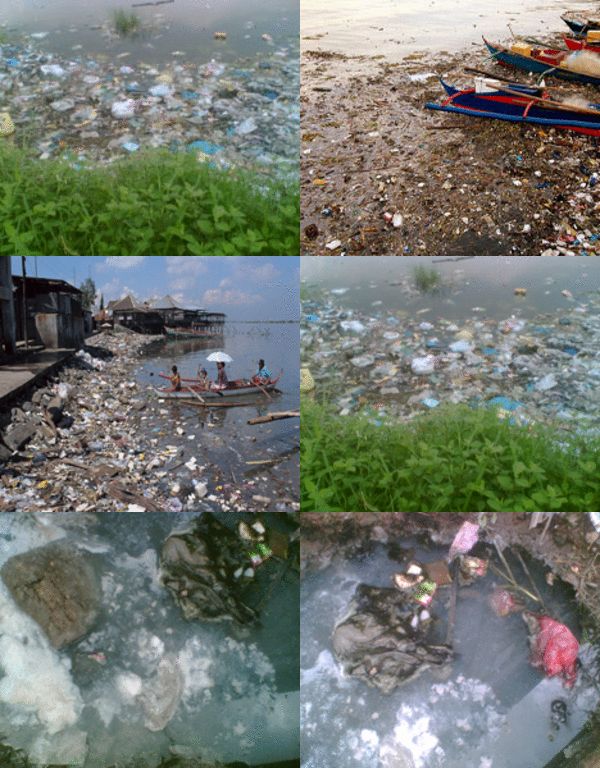
Improper solid waste disposal is still a major problem in our country. Of course it has consequences that vastly affect our environment.
 Due to the great number of wastes disposed into bodies of water, such as the rivers, seas, and the ocean. When these wastes decompose, it produces a toxic substance called leachate. Leachate is a contaminated substance containing toxic substances that pollute the bodies of water which kills fish and other aquatic animals.
 Many people are also not aware that there is a law against burning of garbage. It is not without good reason, for incinerating waste would affect our environment for it releases harmful gases that increase the risk of green house effect and air pollution.